Smell gas right now? Stop reading and get out.
Leave the building without flipping any switches or using your phone inside. Once you’re outside and well away, call 911 or your gas utility’s 24-hour emergency line. For Puget Sound Energy, that’s 1-888-225-5773. For Cascade Natural Gas, it’s 1-888-522-1130. Don’t go back in until responders say it’s safe.
Most gas leaks in homes are small: a loose fitting behind the dryer, an old appliance connector, a corroded section of pipe outside. They’re also easy to ignore, because the smell comes and goes and nothing seems wrong. Here’s how to recognize a leak, what to do the moment you suspect one, and what happens after the utility shows up.
What a gas leak smells like
Natural gas has no smell of its own. Utilities add an odorant called mercaptan so leaks can be noticed, and it smells like rotten eggs or sulfur. Some people describe it as a skunky smell. Propane gets a similar odorant.
Don’t rely on your nose alone, though. A cold or allergies can dull your sense of smell, people stop noticing an odor after a while in the same room, and the odorant can fade in some situations. Utilities make the same point: you won’t always be able to smell a leak.
Other signs of a gas leak
Inside the house, listen for a hissing or whistling sound near gas piping, an appliance connection or the water heater. A gas bill that jumps for no obvious reason can also point to a slow leak somewhere in the system.
Outside, the signs are different. Over a buried gas line, look for:
- A patch of dead or dying grass or plants in an otherwise healthy yard
- Bubbles rising in puddles or standing water
- Dirt or dust blowing up from the ground for no reason
- A hissing sound near the meter or along the path of the line
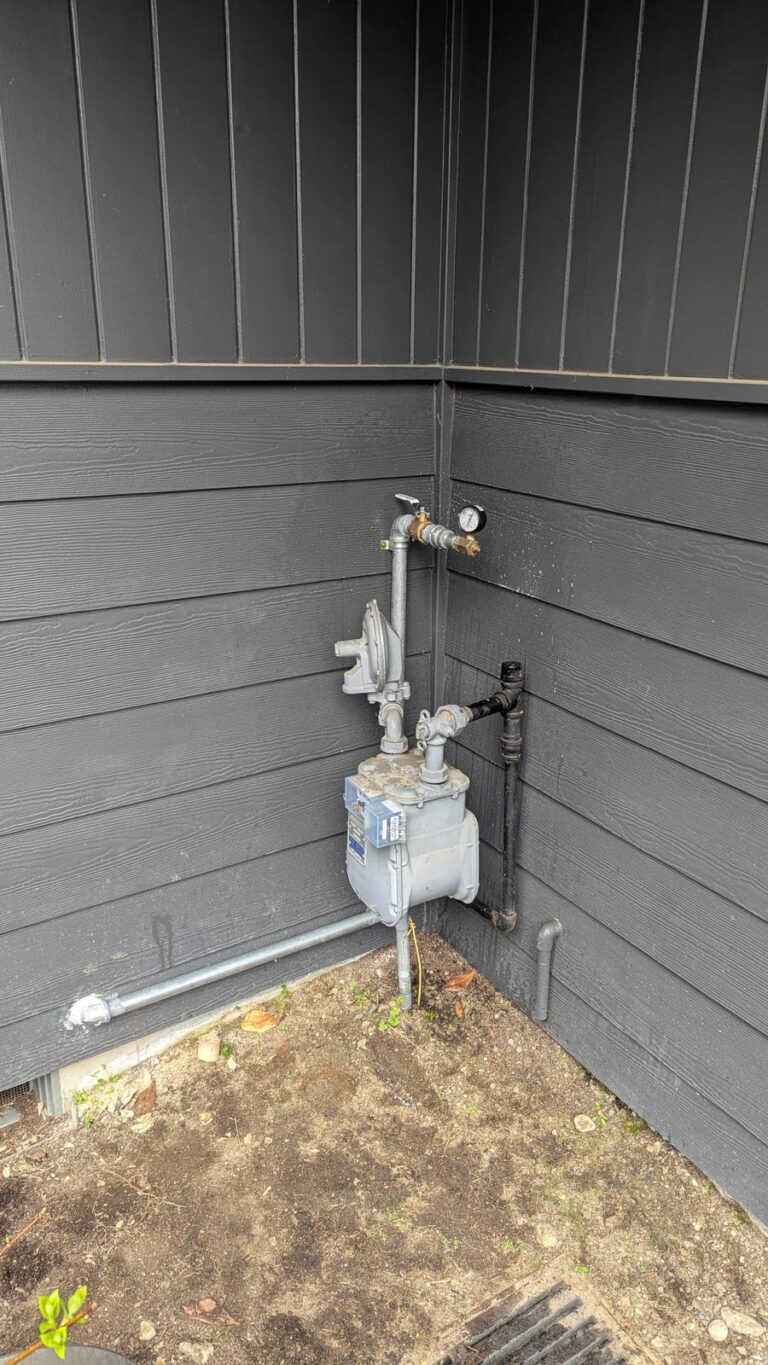
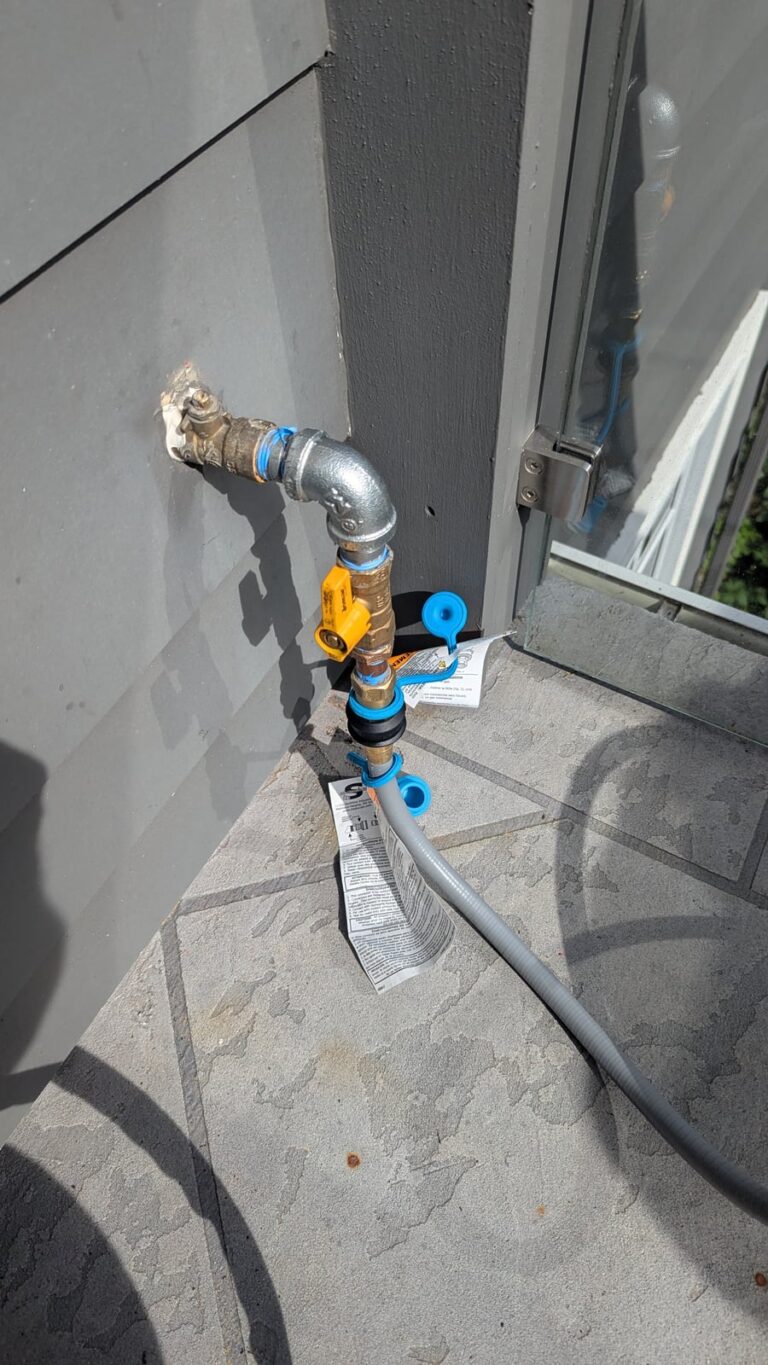
Buried lines to detached garages, hot tubs, pool heaters and grills are worth a look. They’re customer-owned, and they tend to be forgotten until something goes wrong.
What to do if you smell gas
- Leave right away. Get everyone, including pets, out of the house.
- Don’t create a spark on the way out. That means no light switches, no lighters or matches, no starting a car in an attached garage, no garage door opener, and no phone calls from inside.
- Once you’re well away from the house, call 911 or your gas utility’s emergency line. PSE takes these calls 24 hours a day at 1-888-225-5773.
- Stay out until the utility or fire department tells you it’s safe to go back.
Don’t go looking for the leak yourself, and don’t open windows on your way out. Getting out is what matters. Some utilities tell customers they can shut off the gas at the meter on the way out, but only do that if you already know how, have the right wrench and can reach the meter safely from outside. Otherwise, leave it for the responders.
Gas leak or carbon monoxide?
These get mixed up, but they’re different problems. A natural gas leak is unburned gas escaping from the piping, and the main danger is fire or explosion. Carbon monoxide comes from gas appliances that are burning poorly or venting badly, like a furnace with a cracked heat exchanger or a blocked water heater flue. CO has no smell at all, and it’s what causes most gas-related poisonings.
That’s why every home with gas appliances should have working CO alarms. Washington law requires them in rentals and in most homes when they’re sold or permitted for remodel work, and they’re cheap insurance either way. If a CO alarm goes off, or people in the house get headaches, dizziness or nausea that ease when they step outside, get everyone out and call 911.
A natural gas detector is a good backup to your nose. Follow the detector’s mounting instructions. Natural gas is lighter than air, so natural gas alarms usually go up high, while propane is heavier than air and propane alarms go down low.
Utility shut off your gas?
If the leak is on your side of the meter, it needs a licensed contractor to repair it. We find the leak, fix it, retest the system and work with the utility to get your service back on.
What happens after you call the utility
The utility sends someone to find the source and make the area safe. If the leak is at the meter or in the utility’s line, they fix it. PSE owns the pipe up to your meter, and everything past the meter belongs to the homeowner. If the leak is in your piping or at an appliance, the utility will typically shut off the gas to that appliance or to the whole house and leave it off until the leak is repaired.
That’s where we come in. We use electronic leak detection and a pressure test to pinpoint the leak, including leaks in walls, under floors or in buried lines. Once it’s repaired, we test the system again and coordinate with the utility to restore service. We offer emergency service around the clock and aim to respond the same day, and in many cases we can get you back on gas that day too.
Common causes of gas leaks
In the leak calls we see, a few causes come up again and again:
- Pulling out a dryer or range to clean behind it, which can loosen a fitting or crack an old connector.
- Old uncoated brass appliance connectors, which can crack at the fittings and should be replaced.
- Corrosion on outdoor and buried steel pipe, which our wet climate speeds along.
- Damage during remodels or digging. A nail through a wall or a shovel in the yard can hit a gas line, so always call 811 before you dig.
- Settling and earthquakes, which put stress on joints, especially where pipe enters the house. An automatic earthquake shutoff valve cuts off the gas when the shaking is strong enough to do real damage.
If you’ve never had your gas system checked, or you’re buying a house, a professional inspection catches most of these before they turn into a leak. We cover what that involves in our post on what a gas line inspection covers.
Need a gas leak found and fixed?
Licensed gas pipefitters available 24/7 across King, Snohomish and Skagit counties. For an active leak, call 911 or your utility first, then call us for the repair.
Learn more about how we locate and repair leaks on our gas leak detection and repair page.
Common questions
Is a small gas leak dangerous?
Yes. Even a small leak indoors can let gas build up in a closed room, and it only takes a spark to ignite it. A faint smell that comes and goes still deserves a call to the utility.
I smell gas outside near the meter. What should I do?
Call your utility’s emergency line. The meter and the pipe leading to it are the utility’s responsibility, and they would rather check a false alarm than miss a real leak. Keep people and pets away from the area until they arrive.
Can a gas leak make you sick?
A large leak can push oxygen out of a room and cause headaches, dizziness or nausea. Those same symptoms are more often caused by carbon monoxide from a malfunctioning appliance. Either way, get to fresh air and call 911 if anyone feels unwell.
I only smell gas when a stove burner lights. Is that normal?
A brief whiff the instant a burner lights can be normal. If the smell lingers, a burner is slow to ignite, or you smell gas with everything turned off, shut the stove off and call for service.